Mandala Laser Cut Design: A Designer's Review for Embroidery
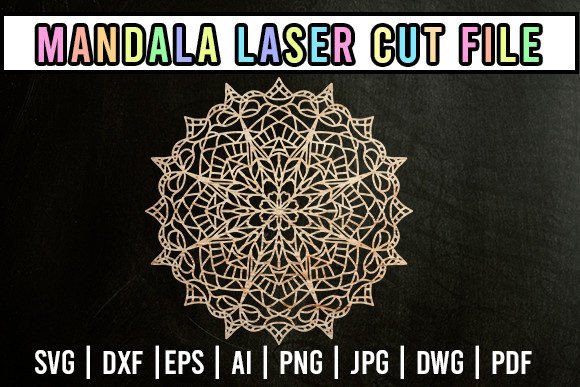
When you’re looking at a new embroidery file, you’re not just judging its artwork; you’re evaluating its potential as a real, stitched object. That’s the lens I use for every design I review, and today, I’m looking at the Mandala Laser Cut, Coloring Page from a professional embroidery perspective. This is about how it will translate from digital asset to finished product.
First Impression: A Balanced Canvas for Stitchwork
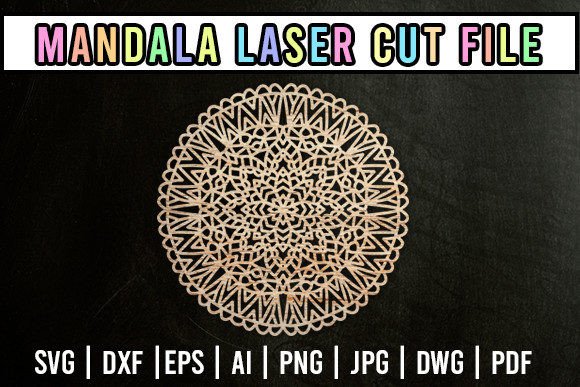
The immediate appeal of this mandala lies in its clear, structured layout. It’s symmetrical and detailed, but not overly dense. As an embroidery designer, that’s a key observation. It creates a mood of calm order—perfect for projects meant as mindful gifts or serene home decor. The level of detail suggests it can handle both bold satin stitch borders and more subtle fill stitch areas, giving you creative control over its final texture.
Where This Mandala Shines in Real Projects
Let me paint a real scenario. Imagine a custom tote bag for a boutique. You want a design that’s eye-catching but not overwhelming, professional but with a handmade charm. This mandala fits that niche perfectly. It scales well. On a large area like a tote bag front, it becomes a statement piece. Reduced in size for a corner of a pillow cover or a tea towel, it becomes a elegant accent.
For custom apparel like sweatshirts or t-shirts, it offers a balanced focal point. It’s not so intricate that it becomes a costly, time-consuming stitch-out, but it’s detailed enough to feel premium. I’d seriously consider it for baby clothes or nursery decor items—the circular, harmonious shape feels gentle and welcoming. As a embroidered patch, it would be stunning, especially if you play with thread color contrasts to make the layered rings pop.
For small business owners and Etsy sellers, this design is a versatile asset. It can anchor a product line—think a series of embroidered aprons, caps, or holiday blankets all featuring this consistent mandala motif. That builds brand consistency. Using the provided PNG or JPG files for printable mockups in your listings can instantly boost buyer engagement by showing the design’s potential.
Thinking Like a Customer: Visual Appeal and Trust
When a customer sees this design stitched out, its clarity is what builds trust. A clean, well-defined mandala suggests care and skill. On a personalized gift like a wedding present or a holiday keepsake, that professionalism translates directly into perceived value. The design’s inherent balance makes it highly giftable. It doesn’t rely on trendy, fleeting themes; it’s a timeless pattern that resonates widely.
Caution Zones: Where to Proceed with Care
No design is universally perfect, and practical judgment means noting the limitations. The detailed corners and concentric rings mean you need to be mindful on very small hoop sizes. Trying to cram this onto a tiny baby bib might lose some stitch clarity. On highly textured fabrics or stretchy fabric like certain knit tees, those fine lines could become distorted unless your stabilizer choice is impeccable.
Dark fabric backgrounds require a thoughtful thread palette. A light-colored mandala on a black sweatshirt can be stunning, but you must ensure your stitch density is sufficient to prevent the dark base fabric from shadowing through. Also, on curved surfaces like caps, the outermost rings might need slight adaptation to look perfectly round. It’s always wise to test on a scrap of your intended fabric first.
For products destined for frequent washing, like kitchen towels or everyday apparel, consider simplifying the stitch types. A very dense fill stitch area in the center might hold up better than a complex mix of stitches that could wear differently.
A Designer’s Practical Notes Before You Stitch
Here’s my checklist for using this design in a real embroidery project:
- Always test the design on scrap fabric first. This is non-negotiable. It reveals how your machine handles the file, the true thread consumption, and any potential hiccups in the small details.
- Check thread color contrast against your final product background. Create simple black and white mockups to see the form without color distracting you.
- Review stitch density in your software. The provided file formats like SVG and DXF are likely for vector-based machine paths, but confirm how your specific software interprets them.
- Confirm hoop size compatibility. While the design is scalable, ensure your physical hoop can accommodate the size you want without forcing a compromise on detail.
- Inspect the small details—the points where lines meet. These are crucial for a crisp finish.
- Use proper stabilizer. For a design with this much potential on various fabrics, the right stabilizer is your best friend.
- Most importantly, confirm licensing before selling finished items or digital products derived from this file. The availability of formats for commercial cutting machines suggests broad use, but always verify.
The Final Stitch: A Versatile Asset for Creative Businesses
In essence, the Mandala Laser Cut, Coloring Page is more than a wall decor or laser cutting concept when viewed through an embroiderer’s eyes. It’s a adaptable framework for creating elevated handmade products. Its strength isn’t in being the most ornate design, but in being a reliably balanced one that you can trust across many applications—from a quick, beautiful patch to a centerpiece for a client’s custom order. It supports your craftsmanship without fighting it, and that, in my experience, is the mark of a design worth adding to your professional toolkit.