A Designer’s Review of the Cat Santa Christmas Ornament
As a designer who spends a lot of time translating digital files into real, stitched products, I always look at a design with a practical eye. The Cat Santa Christmas Ornament SVG, Hanger isn’t just a cute graphic; it’s a potential embroidery project waiting to be evaluated. Before I load it into my machine or recommend it to a client, I think about how it will actually perform on fabric, what kind of mood it creates, and where it would genuinely shine. Let’s walk through that process.
The First Impression: Festive Charm with a Practical Layout
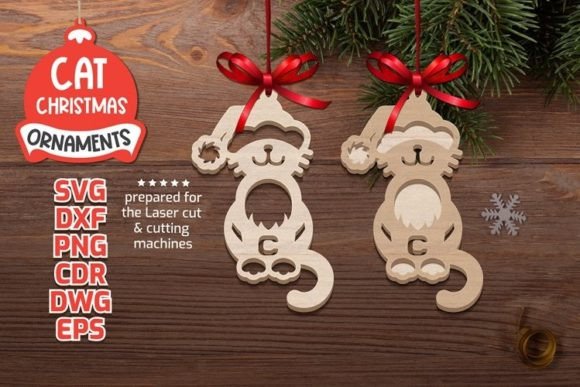
The moment you see this design, you get a clear sense of its purpose. It’s playful—a cat wearing a Santa hat is instantly endearing—but the layout as an ornament hanger gives it a structured, usable shape. This isn’t a random illustration; it’s a complete decorative element. For embroidery, this is a great starting point. The design has two distinct layers, which in an embroidery context could translate beautifully to techniques like applique or using different stitch types for the ornament versus the hanging loop. The detail level feels balanced; it’s not overly simplistic, but it also doesn’t have tiny, intricate lines that might vanish or become muddy when stitched. The visual personality is warm, festive, and a bit whimsical, making it feel like a natural fit for holiday embroidery projects meant to evoke nostalgia and cheer.
Where This Design Naturally Belongs in Your Project Lineup
Imagine you’re preparing items for a holiday craft fair or updating your Etsy listings with seasonal offerings. This ornament design has a clear home. It would be stunning as a focal point on a pillow cover for a cozy living room, or appliquéd onto a tea towel for a festive kitchen. The shape lends itself perfectly to an embroidered patch, which could then be attached to a tote bag or a child’s backpack as a personalized holiday touch. For custom apparel, consider it on the front of a relaxed-fit sweatshirt—the ornament shape provides a nice, contained area of decoration that doesn’t overwhelm the garment. In a baby embroidery context, it could be beautifully scaled down for a holiday-themed onesie or bib, though that requires careful testing. The “hanger” element even suggests it could be embroidered directly onto a stocking or a tree skirt, as if the cat ornament is dangling there. Its giftability is high; finished products feel like thoughtful, handmade gifts rather than generic merchandise.
Thinking Through a Real Client Project: A Festive Tote Bag
Let’s say a client requests a custom holiday tote bag for gift-giving. They want something unique, not a mass-produced logo. The Cat Santa Christmas Ornament SVG, Hanger comes to mind. I’d visualize it placed centrally on the bag’s front panel. The clean shape would allow for crisp satin stitch borders for the ornament and perhaps a fill stitch for the cat’s fur area. The two-layer structure might mean using a contrasting fabric for applique on the hat, adding texture. A customer’s reaction? They’d likely appreciate the charm and the clear craftsmanship—the design feels complete and intentional, which builds customer trust in your work. It elevates a simple bag into a special seasonal product.
Performance Considerations for Real Embroidery Situations
This is where the designer’s practical judgment kicks in. The appeal on a screen is one thing; how it stitches is another.
For successful embroidery, you need to consider the design’s composition on different canvases. On a sturdy, non-stretch fabric like canvas for a tote or cotton for a pillow cover, it should perform very well. The defined shapes are good for clean stitch lines. However, on stretchy fabric like a sweatshirt knit, proper stabilizer is absolutely key to prevent distortion, especially around the circular ornament shape. Embroidering on a curved surface like a cap would be challenging—the hanging loop and ornament might warp if not carefully hooped and stabilized.
The design doesn’t appear to have extremely dense areas or minuscule details, which is a plus. However, always inspect the small details. The cat’s features and the hat’s details need enough space to remain clear. If the file is converted to an embroidery file with very small elements, they might get lost. I would advise testing it on scrap fabric first, especially if planning to stitch on dark fabric. Check the thread color contrast—a white cat on a red hat, for example, needs pops of color to stand out. Review the stitch density in your digitized version; too high density on a layered garment like a fleece jacket could make it stiff and uncomfortable.
Where to Use This Design with Extra Care
Some applications require a bit more forethought. Given the product category mentions Winter Amp and Laser Cutting, it’s clearly intended for multiple uses, but for embroidery specifically:
- Small hoop sizes: If you try to shrink it too much for a tiny item, the details may compress and lose clarity.
- Textured fabrics: Very napped fabrics like some blankets could obscure the clean lines.
- Thin fabric: Without the right stabilizer, stitching on thin fabric like a handkerchief could cause puckering.
- Products needing frequent washing: As a holiday item, this might be less of an issue, but if used on something like an apron, ensure your stitch construction is durable.
The design’s strength is in its recognizable, festive shape. On the right product, it enhances visual appeal and stitching clarity, which directly impacts perceived product value. For a small shop product, using a well-executed, charming design like this reinforces brand consistency if your niche is playful, handmade holiday goods.
Practical Notes for Embroidery Designers and Makers
Before you commit this design to a client project or your own craft business inventory, here’s my checklist:
- Test the design on scrap fabric that matches your final project fabric.
- Check thread color contrast against your background fabric. Create both light and dark fabric printable mockups to preview.
- Review the stitch density and type if you are digitizing the SVG into an embroidery file. Consider if areas would be better as applique.
- Confirm your hoop size can accommodate the design at the scale you want without compromising detail.
- Use proper stabilizer for your chosen fabric type. This is non-negotiable for professional results.
- If you plan to sell the finished embroidered items, confirm the licensing terms of the design file for commercial embroidery use. The product description doesn’t specify, so you must verify this.
- Consider how it looks in simple black and white mockups—does the form hold up without color? This helps assess its structural integrity.
The Cat Santa Christmas Ornament SVG, Hanger has the foundation to be a versatile and appealing embroidery project. Its clear theme and structured layout make it a reliable choice for holiday-focused digital design assets. Your job as the maker is to translate that digital potential into a tactile, well-crafted finished product that feels both festive and professional. By approaching it with this practical, testing mindset, you ensure that the charm you see on screen becomes the charm your customers see—and love—in their hands.